Is Profhilo for Crepey Skin Right for You?

Crepey skin has a distinctive quality: it can look finely crumpled, feel less elastic and become more noticeable when the skin moves. It is often seen on the cheeks, lower face, neck and décolletage, where changes in collagen, elastin and hydration can combine over time. Profhilo for crepey skin is frequently asked about because it is designed to support skin quality rather than create the more structured change associated with dermal filler.

The right answer is rarely simply “yes” or “no”. Skin laxity, volume loss, sun exposure, menopause, general health and the area being treated all affect whether Profhilo is likely to be a useful part of a personalised plan. A thorough consultation is where that distinction matters.

What causes crepey-looking skin?

As skin matures, it naturally produces less collagen and elastin. These are key structural proteins that help skin feel firm, spring back after movement and maintain a smoother surface. Hyaluronic acid levels also decline, reducing the skin’s ability to hold moisture effectively.

Environmental exposure can accelerate these changes. Ultraviolet light, smoking, significant weight fluctuation and repeated friction can all influence texture and resilience. Hormonal changes may be relevant too, particularly where skin suddenly feels drier, thinner or less supple.

Crepiness is not always the same as loose skin, deep lines or facial volume loss, although these concerns can occur together. This is why a treatment that suits one person’s cheeks may not be the best option for another person’s neck or lower face.

How Profhilo may help crepey skin

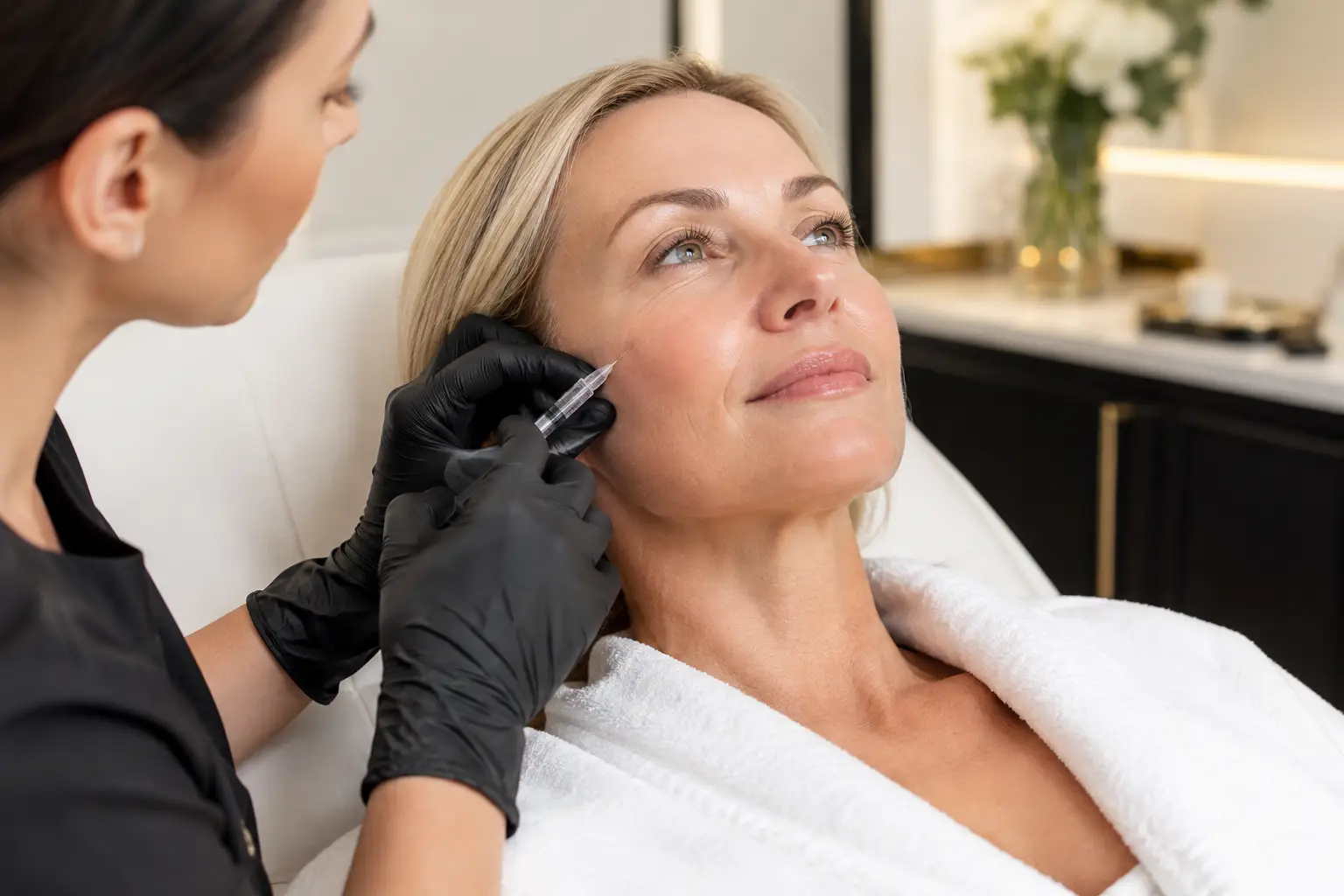
Profhilo is an injectable hyaluronic acid treatment used to improve hydration and support overall skin quality. It is not intended to fill individual lines, reshape features or replace lost facial volume in the way a dermal filler may. Instead, it is placed at carefully selected points to disperse within the tissue.

For suitable clients, the aim is skin that appears more hydrated, smoother and more luminous, with an improvement in the look of fine crepiness over time. Changes tend to be subtle and progressive. The desired outcome is rested, healthier-looking skin that still looks like you.

A commonly used initial course involves two sessions spaced around a month apart, although this is not a promise of what every client will need. Your prescriber or practitioner should assess the treatment area, your skin condition and your objectives before advising on timing, maintenance or alternative options.

Where treatment planning makes the difference

The face is often a straightforward starting point for patients seeking improvement in dehydration and fine texture. The neck and décolletage can also be concerns, but these areas need especially careful assessment because the skin is thinner and crepiness may be linked to more pronounced laxity.

If the main issue is substantial loose skin, Profhilo alone may not create the degree of change someone has in mind. If etched lines, sun damage or uneven surface texture are prominent, a clinician may discuss a broader skin programme, which could include microneedling or appropriate skincare alongside injectable treatment. Combining treatments is not automatically better. Each recommendation should have a clear clinical reason and a sensible treatment sequence.

What a safe consultation should cover

A high-quality consultation is more than selecting an injectable treatment. It should establish what is driving the concern and whether treatment is appropriate at that time. At a nurse-led medical aesthetics clinic, this includes discussing medical history, allergies, previous aesthetic treatments, medications, skin health and realistic expectations.

Your practitioner should examine the skin in good light and explain what Profhilo can reasonably address. They should also discuss expected downtime and possible side effects. Temporary tenderness, swelling, redness, itching and small raised areas at injection points can occur. Bruising is also possible. More significant complications are uncommon but should be explained, along with the clinic’s approach to recognising and managing concerns promptly.

Treatment may need to be postponed if you are pregnant or breastfeeding, have an active skin infection or are unwell. Some medical conditions, medicines and recent procedures may also affect suitability. This is precisely why a consultation-led approach is safer than choosing a treatment from a menu alone.

Aftercare is individual, but patients are commonly advised to avoid touching or applying make-up to the treated area for a period advised by their practitioner, as well as strenuous exercise, excessive heat and alcohol on the day of treatment. Follow the specific aftercare given to you, and contact the clinic if something does not feel right.

Profhilo for crepey skin is technique-dependent

Products matter, but the practitioner’s judgement matters just as much. Injectable skin treatments require a detailed understanding of facial anatomy, tissue planes, product behaviour, infection control, consent and complication management. Crepey skin can be delicate, so injection depth, placement and treatment selection must be tailored rather than copied from a standardised social media approach.

At Sapphire Nurse Aesthetics & Training, treatments are planned around the person in front of us, with natural-looking results and clinical safety at the centre of every decision. Laura Wade is an NMC-registered nurse and independent nurse prescriber with more than a decade of medical aesthetics experience, bringing both technical knowledge and a measured approach to consultation.

For clients in Easingwold, York and the surrounding North Yorkshire area, choosing a suitably qualified medical practitioner means you should feel able to ask direct questions: why is this treatment being recommended, what are the limitations, what are the alternatives and what support is available afterwards? A good consultation welcomes those questions.

What this means for aesthetics practitioners

For healthcare professionals, Profhilo and other injectable skin-quality treatments are not simply an additional service. They demand a sound foundation in consultation, anatomy, sterile technique, product selection and emergency preparedness. The visible trend towards “skin boosters” has made appropriate training even more important, because patients may assume all hydrating injectables work in the same way.

They do not. Different products have different characteristics, injection approaches, indications and patient considerations. A responsible practitioner must be able to identify whether a patient is seeking hydration, improved texture, volume restoration, lifting, scar improvement or treatment for skin laxity. These concerns can overlap, but the treatment plan should not.

Building confidence through supervised practical training

For eligible healthcare professionals seeking aesthetics training in Yorkshire, small-group education can make a meaningful difference to confidence and competence. Theory is essential, but it must translate into safe practical decision-making with live models, supervised assessment and feedback that is specific to the learner.

High-quality nurse aesthetics training should cover more than how to perform an injection. Students need to practise patient assessment, consultation language, consent, photography, aftercare, recognising contraindications and responding appropriately if a complication is suspected. Ongoing mentorship and supervision clinics are particularly valuable when practitioners begin applying new skills in clinical practice.

Sapphire’s CPD-accredited skin booster training sits within a wider progression for eligible medical professionals, including dermal filler courses in Yorkshire, cannula training and complications management. This allows practitioners to develop their skills in a considered order rather than rushing into advanced procedures before core competencies are secure.

For clinicians travelling from York, Leeds, Harrogate, Thirsk and further afield, the most useful course is not necessarily the one that promises the fastest route to a new treatment offering. It is the one that provides strong clinical foundations, close supervision and support after the training day has ended.

A considered route to better skin quality

Profhilo may be a worthwhile option for crepey skin when dehydration, fine texture and declining elasticity are central concerns. It is not a substitute for surgery where significant laxity is present, and it is not a guaranteed fix for every line or area of loose skin. Honest assessment protects patients from disappointment and helps practitioners recommend only what is clinically appropriate.

If crepey skin is affecting your confidence, start with a consultation that looks beyond the treatment name. The most reassuring plan is one that respects your skin, your expectations and the skill required to treat both safely.

What Happens at a Lip Filler Consultation in York?

A well-considered lip enhancement should never begin with choosing a volume from a menu. A lip filler consultation York clients can feel confident about starts with listening: how you would like your lips to look, what concerns you have, whether you have had filler before and, just as importantly, whether treatment is appropriate for you.

For some people, the aim is gentle hydration and smoother lip texture. Others would like more definition through the border of the lip, improved symmetry or carefully balanced volume. These are different treatment goals, and they require different techniques, products and amounts of filler. A consultation creates the space to make those decisions safely rather than following a trend or trying to recreate somebody else’s result.

Lip Filler Consultation in York: What to Expect

Your appointment should feel unhurried, professional and personal. Before discussing treatment, a qualified practitioner will ask about your health, medical history and previous aesthetic procedures. This helps identify anything that may make treatment unsuitable or mean that it should be postponed.

You may be asked about allergies, current medication, cold sores, autoimmune conditions, recent dental work, skin infections and whether you are pregnant or breastfeeding. It is also useful to mention previous lip filler, including when it was placed and whether you experienced swelling, lumps, delayed reactions or other complications. Honesty at this stage is essential. It allows your practitioner to make a sound clinical judgement and plan with your wellbeing first.

A consultation is also an opportunity to talk openly about expectations. Bringing reference photographs can be useful when they show the overall style you like, but no two lips, faces or tissue types are the same. A responsible practitioner will explain what is realistically achievable with your own anatomy, rather than promising an identical result.

Looking at Your Lips in Balance With Your Face

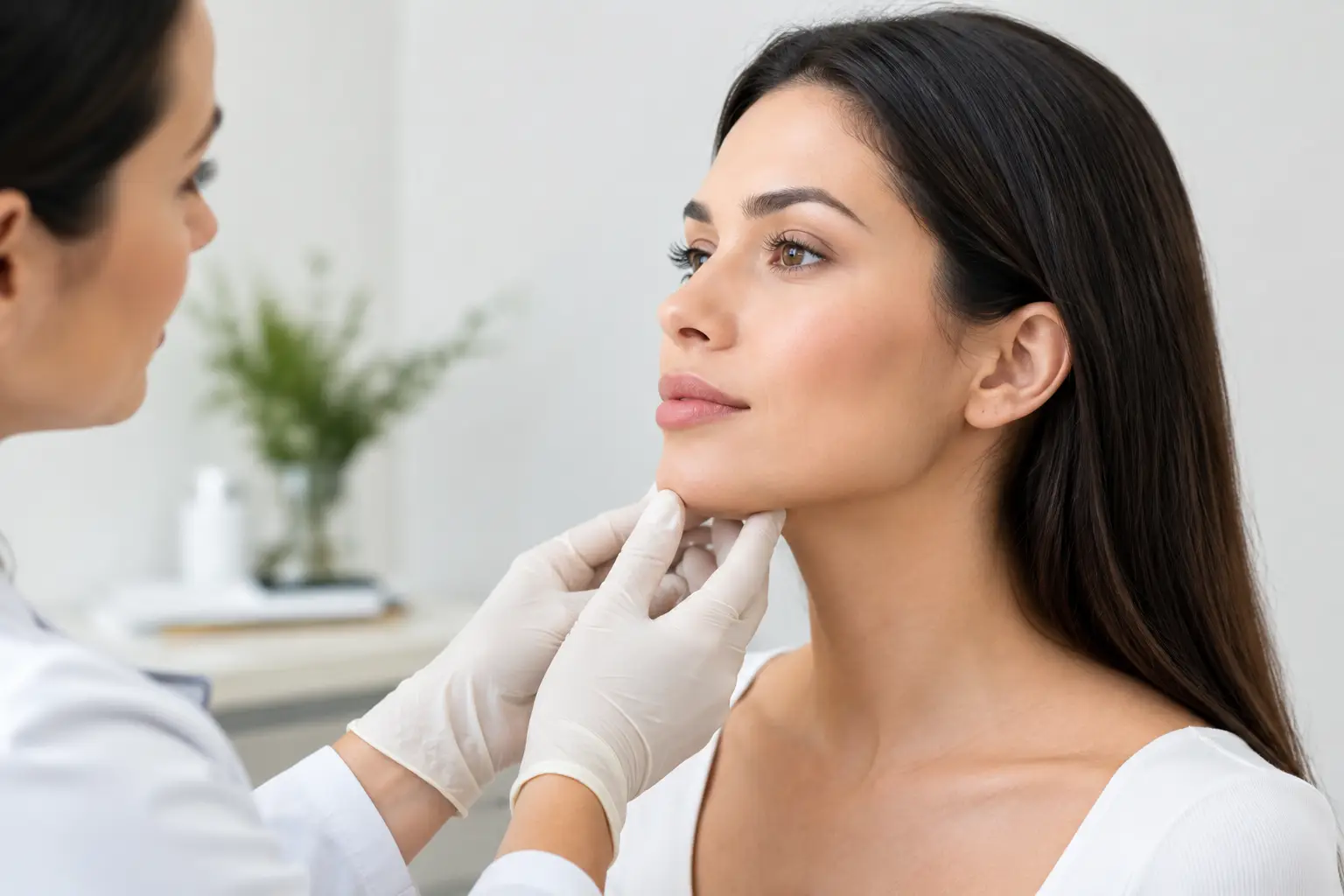
Lip filler is not only about the lips. The proportions of the lower face, chin, nose, teeth, skin quality and natural facial movement can all influence the most flattering approach. Your practitioner will assess the shape of your lips at rest and in expression, including the cupid’s bow, vermilion border, lip body and degree of existing asymmetry.

Most faces have some asymmetry, and lips are no exception. Filler can often improve balance, but it cannot always create perfect mirror-image symmetry. In some cases, chasing tiny differences with extra product can lead to an overfilled appearance. A careful assessment helps distinguish an asymmetry that is appropriate to soften from one that is better accepted as part of your natural features.

The quality of the lip tissue matters too. Thin, dehydrated or mature lips may benefit from a gradual approach, particularly if the goal is a soft, natural-looking result. If there is limited space in the lip, adding too much product at one appointment can place unnecessary pressure on the tissue and compromise the shape. Starting conservatively and reviewing the result is often the most refined option.

Choosing a Treatment Plan, Not a Standard Amount

There is no universally correct amount of lip filler. A first-time client wanting subtle definition may need a very different plan from someone replacing filler that has naturally broken down over time. The right amount depends on your starting point, the product selected, your desired outcome and how your lips respond to treatment.

During the consultation, your practitioner should explain the proposed product and placement strategy in clear language. Hyaluronic acid fillers are commonly used for lips because they can integrate softly into the tissue and, where clinically indicated, can be dissolved. However, filler is still a medical treatment with potential risks. Product choice, injection depth and anatomical knowledge are all central to achieving a balanced result safely.

You should also be told what treatment can and cannot address. For example, filler may improve hydration, contour and volume, but it cannot fully correct a naturally long upper lip or every form of visible lip line. In certain cases, a skin-focused treatment, a staged plan or no treatment at all may be more appropriate than adding volume.

At Sapphire Nurse Aesthetics, consultations are led by the principle that enhancement should complement your features, not obscure them. The aim is considered treatment that still allows you to look like yourself.

Understanding Safety, Side Effects and Recovery

A good consultation includes a clear discussion of risks, aftercare and recovery. Temporary swelling, tenderness, bruising and small areas of redness are common after lip filler. The lips are highly vascular and mobile, so swelling can initially make them look fuller or uneven. This usually settles over the following days, although individual recovery varies.

You should be given practical advice about preparing for your appointment and caring for your lips afterwards. Depending on your circumstances, this may include avoiding alcohol shortly before treatment, scheduling around important events and avoiding strenuous exercise, excessive heat and pressure on the lips immediately afterwards. If you are prone to cold sores, let your practitioner know in advance, as preventative treatment may be discussed.

More serious complications are uncommon but must be addressed honestly. These include infection, an allergic or inflammatory reaction, filler migration and vascular occlusion, where filler affects blood supply to an area of tissue. An experienced medical practitioner understands facial anatomy, uses appropriate technique and has protocols in place to recognise and respond to complications promptly. Ask what emergency arrangements and dissolving treatment are available. A reputable practitioner will welcome the question.

Questions Worth Asking at Your Consultation

The consultation is not an assessment of whether you are a suitable client alone. It is also your opportunity to assess the practitioner and clinic. You should feel comfortable asking about qualifications, prescribing status, experience with lip filler and the products used.

It is reasonable to ask how the practitioner approaches natural-looking lips, how they manage swelling and aftercare, and what happens if you are unhappy with the result. You may also want to know whether a review appointment is included or recommended. The answers should be clear, measured and free from pressure.

Be cautious of promotions that encourage clients to book treatment without an individual assessment, especially where the focus is on large volumes or heavily discounted packages. A low price does not tell you whether the product is legitimate, the treatment is appropriate or the practitioner has the clinical training required to manage complications. In aesthetics, the value lies in the assessment, skill and safety framework as much as the injection itself.

When It May Be Better to Wait

There are times when delaying lip filler is the best decision. Active cold sores, broken skin, dental infections and certain medical changes can mean it is safer to reschedule. It may also be wise to wait if you are feeling pressured by an event, a social-media trend or somebody else’s opinion of your appearance.

A consultation should leave you feeling informed, not rushed into booking. You may decide to proceed straight away, take time to consider the information, or return with further questions. All are valid choices. Your treatment plan should feel right for your face, your health and your expectations.

The most successful lip filler results are rarely the ones that demand attention. They are the ones that restore definition, softness or balance in a way that feels considered every time you look in the mirror.

Is Chin Filler Profile Balancing Right for You?

A chin that sits slightly behind the lips or nose can alter how the whole face reads in profile. Chin filler profile balancing is not about creating a dramatically pointed or enlarged chin. It is a considered approach to improving proportion between the chin, jawline, lips and nose, using carefully placed dermal filler where appropriate.

For some people, a small amount of support to the chin brings welcome definition to the lower face. For others, the most suitable recommendation may be to treat a different area, consider another treatment, or not use filler at all. A safe, flattering result begins with an in-person assessment rather than a fixed treatment plan.

What does chin filler profile balancing mean?

Profile balancing looks at the face as a connected structure. Rather than assessing the chin in isolation, your practitioner considers its relationship to the nose, lips, jawline, cheeks and neck. The aim is to create harmony, not to copy a trending profile or change the character of your face.

The chin is a surprisingly influential feature. It can affect the appearance of jawline definition, the projection of the lower third of the face and the way the side profile photographs. A recessed chin, sometimes called a weak chin, may make the nose appear more prominent or leave the jawline looking less defined, even when there is no issue with the jaw itself.

Dermal filler can sometimes add measured projection, length or contour to the chin. Hyaluronic acid filler is commonly used because it is designed to integrate with the tissue and can be dissolved if clinically necessary. However, suitability depends on your anatomy, skin quality, facial movement, dental bite and aesthetic goals.

Why the chin is assessed alongside other facial features

Aesthetic treatment is often most effective when the face is viewed in proportion rather than as a series of separate features. Someone may request more lip volume, for example, when the concern they are noticing is actually a lack of structural support in the chin or lower face. Equally, treating the chin without considering the lips or jawline can produce a result that feels disconnected.

During profile assessment, a qualified practitioner will look at your face from the front, oblique angle and side. They will consider existing asymmetry, chin projection, the angle between chin and neck, skin laxity and the way your facial features sit at rest and in expression. Photographs can be useful for treatment planning, with appropriate consent, because they provide a consistent reference point before and after treatment.

There is no single ideal profile. Facial proportions vary naturally according to age, ethnicity, sex, bone structure and personal preference. The purpose of consultation is to understand what you would like to improve while protecting the features that make you recognisably you.

What can chin filler help to improve?

Chin filler may be considered for clients who would like a little more lower-face support or definition. It can be used to improve the appearance of a mildly recessed chin, soften the look of chin dimpling, create a more balanced side profile or give the jawline a clearer endpoint.

It may also help address age-related changes. As facial volume and bone support change over time, the chin and pre-jowl area can appear less defined. In selected cases, carefully placed filler can provide structural support that complements treatment elsewhere in the lower face.

That said, filler cannot change the underlying position of the jaw or correct significant skeletal, dental or bite-related concerns. If the concern is structural or functionally significant, assessment by a dentist, orthodontist, maxillofacial specialist or GP may be more appropriate. Honest advice includes recognising the limits of non-surgical treatment.

The consultation comes before the syringe

A responsible chin filler appointment should never begin with an assumption that filler is the answer. Your consultation should cover your medical history, allergies, current medicines, previous aesthetic treatments and any history of cold sores, autoimmune conditions, bleeding disorders or complications from filler.

Pregnancy and breastfeeding are generally reasons to postpone elective injectable treatment. Certain skin infections, active acne in the area or periods of ill health may also mean treatment should be deferred. Your practitioner should explain why if this is the case and advise on an appropriate next step.

You should also be asked what a successful result looks like to you. Bringing an image can help communicate the type of definition you like, but it should be used as a conversation starter rather than a promise. Another person’s anatomy, skin thickness and facial proportions cannot be replicated safely on a different face.

At Sapphire Nurse Aesthetics, this conversation is grounded in nurse-led assessment, facial anatomy and realistic planning. Sometimes the most refined outcome is achieved over more than one appointment, allowing swelling to settle and ensuring the result remains balanced at every stage.

How chin filler treatment is carried out

Once a treatment plan is agreed, the skin is cleansed and the area is assessed again with you upright. A topical numbing cream may be used, although many contemporary fillers also contain local anaesthetic. Filler may be placed using a needle, a cannula, or a combination of both, depending on the treatment area and the practitioner’s clinical judgement.

The product is introduced in small, controlled amounts at carefully selected depths. Chin treatment often requires a filler with sufficient support to hold shape, but product choice should be based on your tissue, desired outcome and safety considerations, not on a one-size-fits-all formula.

You may feel pressure or brief pinching during treatment. Most appointments are relatively quick, but the consultation and assessment should never be rushed. You may see an immediate change, although the initial appearance can be affected by swelling and tenderness.

Recovery, results and how long filler lasts

Mild swelling, tenderness, redness and bruising are common after chin filler. These effects are usually temporary, but bruising can last longer for some people. It is sensible to avoid strenuous exercise, excessive heat, alcohol and pressure on the treated area for the period advised by your practitioner.

Try not to judge the final result on the same day. As swelling settles, the chin will look and feel more natural. A review appointment may be recommended, particularly when a staged approach has been planned.

Longevity varies. The type and amount of filler used, your metabolism, facial movement and the placement technique can all influence how long the effect remains visible. Some clients notice results for many months, while others may choose maintenance treatment sooner. It is better to view filler as a treatment that requires review, not a permanent alteration.

Safety considerations that should not be overlooked

Dermal filler is a medical aesthetic treatment, not simply a beauty add-on. The chin contains blood vessels and important anatomical structures, and although serious complications are uncommon, they can occur. These include infection, prolonged swelling, asymmetry, nodules and vascular occlusion, where filler affects blood supply.

A suitably qualified practitioner should understand facial anatomy, use appropriate products from reputable sources, take a thorough medical history and have an emergency protocol in place. They should also explain warning signs after treatment. Severe or increasing pain, unusual blanching or mottled skin colour, coldness in the area, or visual disturbance require urgent medical assessment.

Choosing treatment solely on price can be a false economy. Clinical knowledge, appropriate insurance, prescribing capability where required, sterile practice and access to complication management all matter far more than a promotional offer.

Is chin filler the right choice for your profile?

Chin filler profile balancing can be a subtle, effective option when the concern is proportion rather than a need for surgical correction. The best candidates are usually those with realistic expectations who want refinement, understand that results are temporary and are willing to follow professional aftercare advice.

It may not be the right choice if you want a major change to bone structure, have untreated dental or jaw concerns, or feel pressure to match an image seen online. Your practitioner may suggest that no treatment is needed, recommend a different approach, or advise a staged plan that starts conservatively.

A well-balanced profile should still look like your profile, simply more considered from every angle. Give yourself permission to ask questions, take time before deciding and choose a practitioner whose priority is your safety as much as your result.

Natural Looking Facial Aesthetics That Still Look Like You

A good aesthetic treatment should not make people wonder what you have had done. It should leave you looking rested, fresher and more like yourself on a particularly good day. Natural looking facial aesthetics are not about following a fixed look or changing the features that make you recognisable. They are about using clinical knowledge, careful technique and the right treatment plan to bring balance to your face.

For some people, that may mean softening the frown line that makes them appear tired or cross. For others, it may be restoring gentle cheek support, improving hydration in the skin or refining a lip shape that has gradually lost definition. The best approach is always personal, considered and proportionate.

What natural looking facial aesthetics really mean

Natural results are often mistaken for doing very little. In reality, subtle aesthetics can require more planning than a dramatic change. A practitioner needs to understand facial anatomy, how the face moves, where volume has changed over time and how skin quality influences the final result.

The aim is not to erase every line or create identical proportions from one client to the next. Expression lines are part of a living face, and a degree of movement can look healthy and authentic. Similarly, facial volume is not simply something to replace. It needs to be assessed in the context of your bone structure, skin, age, existing features and the way different areas of the face support one another.

A naturally refreshed result usually comes from restraint. This may mean treating one area first, allowing it to settle, then reviewing before deciding whether anything further is needed. It can also mean advising that a treatment is not the right choice at this point. A thorough consultation should make space for both possibilities.

Start with the face, not the treatment

It is easy to arrive with a specific treatment in mind after seeing it online or hearing about it from a friend. However, the same concern can have different causes. Lines around the mouth may be linked to skin quality, movement, volume change or facial support. Tired-looking eyes may relate to dehydration, loss of mid-face volume, pigmentation, sleep, lifestyle or a combination of factors.

That is why consultation-led care matters. Before recommending treatment, a medically qualified practitioner should ask about your medical history, allergies, medication, previous aesthetic treatments and what you would genuinely like to improve. They should assess your face at rest and in movement, discuss realistic outcomes and explain the risks, recovery and likely longevity of any option.

A considered plan may involve one treatment or a staged combination. There is no prize for treating every concern in one appointment. In many cases, gradual change gives a more refined outcome and gives you time to decide how you feel about each step.

Choosing treatments for subtle enhancement

Different treatments have different roles. The right choice depends on your concerns, suitability and the quality of the skin as well as the shape of the face.

Wrinkle-relaxing injections

Wrinkle-relaxing injections can soften dynamic lines caused by repeated muscle movement, commonly across the forehead, between the brows and around the eyes. A natural result does not have to mean a completely frozen appearance. Dose, placement and your individual muscle strength all affect how much movement remains.

For clients who value expression, a lighter approach may be appropriate. Others may prefer a smoother finish. Neither is universally right, but the desired level of movement should be discussed clearly before treatment.

Dermal filler

Dermal filler can restore or refine structure in areas such as the cheeks, chin, jawline and lips. When thoughtfully placed, it may support proportions rather than draw attention to itself. For example, a small amount of chin enhancement can improve side-profile balance, while carefully placed cheek filler may reduce the appearance of flattening or tiredness without creating an overfilled look.

More product does not automatically create a better result. Filler is not suitable for every concern, and treating an area repeatedly without reassessment can compromise a natural appearance. Product selection, injection depth, facial assessment and a willingness to say no are all part of safe practice.

Skin boosters, Profhilo and polynucleotides

Sometimes the skin needs attention before, or instead of, adding volume. Skin boosters are designed to support hydration and improve the look of skin quality, while Profhilo is often chosen by clients seeking improved hydration, elasticity and a healthy-looking glow. Polynucleotides may be considered as part of a personalised skin rejuvenation plan, particularly where the focus is on skin quality and repair processes.

These treatments do not replace filler, and filler does not replace a skin treatment. Their purposes are different. A consultation can help establish whether your priority is hydration, texture, laxity, facial support or a combination of these concerns.

Microneedling and dermaplaning

For concerns such as dullness, uneven texture and a less polished skin surface, treatments such as microneedling and dermaplaning may have a valuable role. They can be especially helpful for clients who want to begin with skin-focused care or complement injectable treatment with an improved complexion.

Results are usually best when professional treatment is supported by sensible home skincare, daily SPF use and realistic expectations. No aesthetic procedure can remove every sign of ageing, nor should it need to.

The details that protect a natural result

The most convincing outcomes are often shaped by decisions that clients never see. Consultation, anatomy knowledge, product choice, injection technique and review appointments all matter. At Sapphire Nurse Aesthetics, this clinical framework sits behind every personalised recommendation.

When choosing a practitioner, look beyond before-and-after photographs. Images can be useful, but they do not show how a face moves, how long results lasted, whether the client was suitable for treatment or what happened if they needed support afterwards. Ask about qualifications, prescribing arrangements, hygiene standards, complication management and the opportunity for follow-up.

Four signs of a responsible aesthetic plan are worth looking for:

  • Your concerns are heard without pressure to book a particular treatment.
  • Risks, limitations and expected downtime are explained in clear language.
  • The plan is based on your facial anatomy and medical suitability, not a trend.
  • You know how to contact the clinic if you have a concern after treatment.

Safety is not separate from beautiful results. It is the foundation of them. Injectable treatments carry risks, even when they are performed carefully, so they should always be delivered by an appropriately trained and insured practitioner who can assess suitability and respond appropriately if needed.

Why less can often achieve more

Facial ageing is not a single issue to be corrected. It is a gradual change in skin, fat pads, bone structure, muscle activity and tissue support. Treating one feature heavily while ignoring the wider face can make a result look less balanced, even if the individual treatment has been technically performed well.

Small, strategic adjustments often work best. Softening a strong frown, improving skin hydration and restoring modest mid-face support may create more overall freshness than pursuing a dramatic change in one area. Equally, some clients will be happiest with one carefully chosen treatment and no further intervention.

Your preferences matter here. Some clients want noticeable definition, while others want friends to say they look well without identifying why. Being open about the result you would feel comfortable with helps your practitioner tailor dose, placement and the pace of treatment.

Give results time to settle

Aesthetic treatments are not always judged on the day of your appointment. Swelling, bruising and temporary asymmetry can occur, particularly after injectable procedures. Your practitioner should explain what is normal for your treatment, when you can expect to see the result settle and when to seek advice.

Avoid rushing into adjustments before the recommended review point. The face needs time to respond, and a measured approach protects both the result and your confidence in it. Taking photographs in consistent lighting before treatment and at review can also provide a more honest comparison than a quick glance in the mirror.

The most successful aesthetic care is not about chasing someone else’s face or keeping up with a passing trend. It is about feeling informed, safe and comfortable with each decision, so that every subtle improvement still feels entirely your own.

eBook Cover

    DownloadOur Brochure

    Please enter your name and email to access our company eBrochure.

    Please view our Privacy Policy for more information on how we use your data

    whatsapp

    Get 10% OFF

    More Info

    Get 10% OFF

    By sharing your email, you agree to receive Sapphire marketing emails. We may suggest products based on your profile, following our Privacy Policy. Opt out anytime. See our Terms & Privacy for more on data processing and your privacy rights.

    Discount applied on final payment in clinic

        Contact me regarding... Is Profhilo for Crepey Skin Right for You?

        Fields marked with an * are required.

        For more details on how we handle your data, please view our Privacy Policy

          Contact Us Today

          Fields marked with an * are required.

          For more details on how we handle your data, please view our Privacy Policy