
21st September 2026
Natural Looking Facial Aesthetics That Still Look Like You
A good aesthetic treatment should not make people wonder what you have had done. It should leave you looking rested, fresher and more like yourself on a particularly good day. Natural looking facial aesthetics are not about following a fixed look or changing the features that make you recognisable. They are about using clinical knowledge, careful technique and the right treatment plan to bring balance to your face.
For some people, that may mean softening the frown line that makes them appear tired or cross. For others, it may be restoring gentle cheek support, improving hydration in the skin or refining a lip shape that has gradually lost definition. The best approach is always personal, considered and proportionate.
What natural looking facial aesthetics really mean
Natural results are often mistaken for doing very little. In reality, subtle aesthetics can require more planning than a dramatic change. A practitioner needs to understand facial anatomy, how the face moves, where volume has changed over time and how skin quality influences the final result.
The aim is not to erase every line or create identical proportions from one client to the next. Expression lines are part of a living face, and a degree of movement can look healthy and authentic. Similarly, facial volume is not simply something to replace. It needs to be assessed in the context of your bone structure, skin, age, existing features and the way different areas of the face support one another.
A naturally refreshed result usually comes from restraint. This may mean treating one area first, allowing it to settle, then reviewing before deciding whether anything further is needed. It can also mean advising that a treatment is not the right choice at this point. A thorough consultation should make space for both possibilities.
Start with the face, not the treatment
It is easy to arrive with a specific treatment in mind after seeing it online or hearing about it from a friend. However, the same concern can have different causes. Lines around the mouth may be linked to skin quality, movement, volume change or facial support. Tired-looking eyes may relate to dehydration, loss of mid-face volume, pigmentation, sleep, lifestyle or a combination of factors.
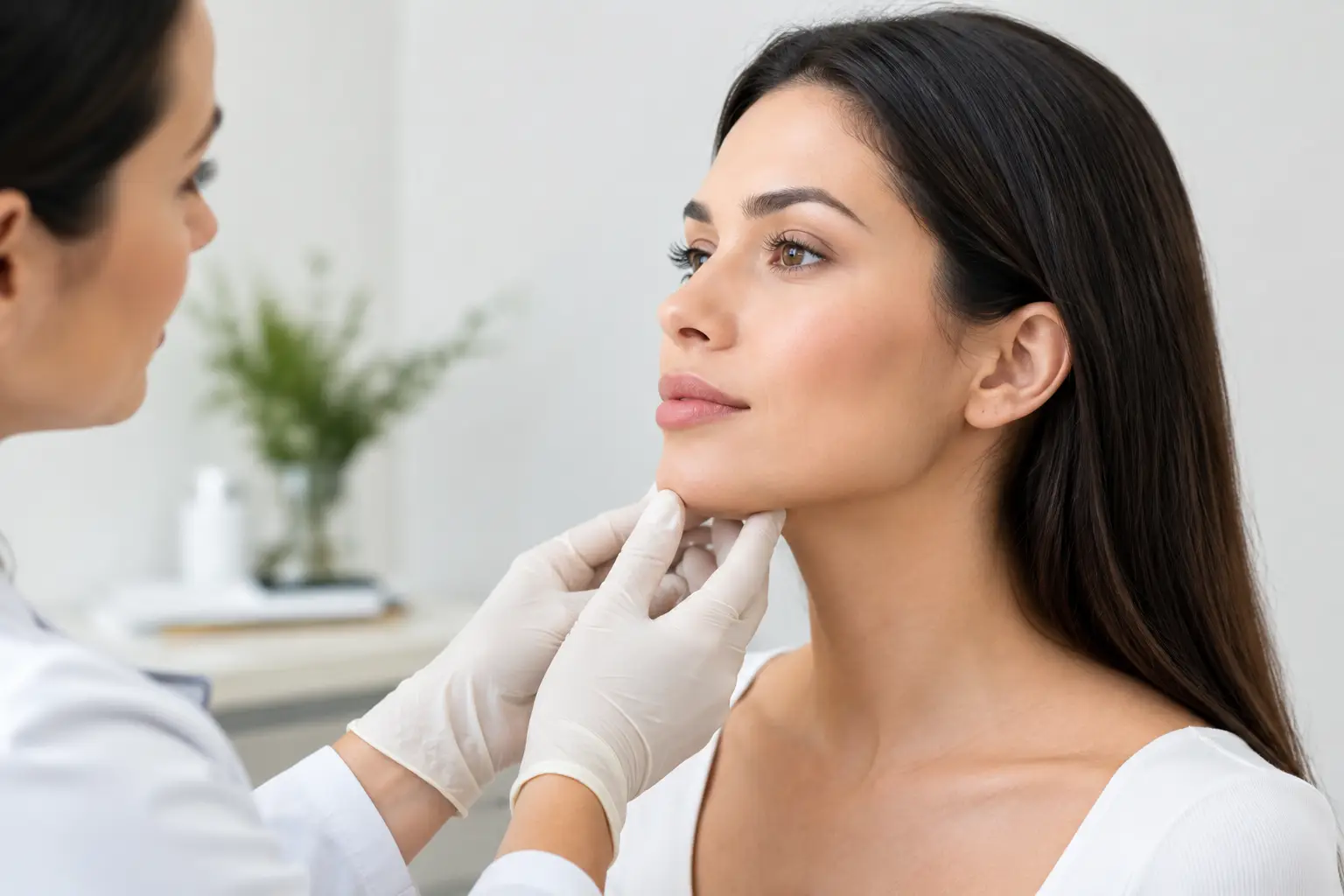
That is why consultation-led care matters. Before recommending treatment, a medically qualified practitioner should ask about your medical history, allergies, medication, previous aesthetic treatments and what you would genuinely like to improve. They should assess your face at rest and in movement, discuss realistic outcomes and explain the risks, recovery and likely longevity of any option.
A considered plan may involve one treatment or a staged combination. There is no prize for treating every concern in one appointment. In many cases, gradual change gives a more refined outcome and gives you time to decide how you feel about each step.
Choosing treatments for subtle enhancement
Different treatments have different roles. The right choice depends on your concerns, suitability and the quality of the skin as well as the shape of the face.
Wrinkle-relaxing injections
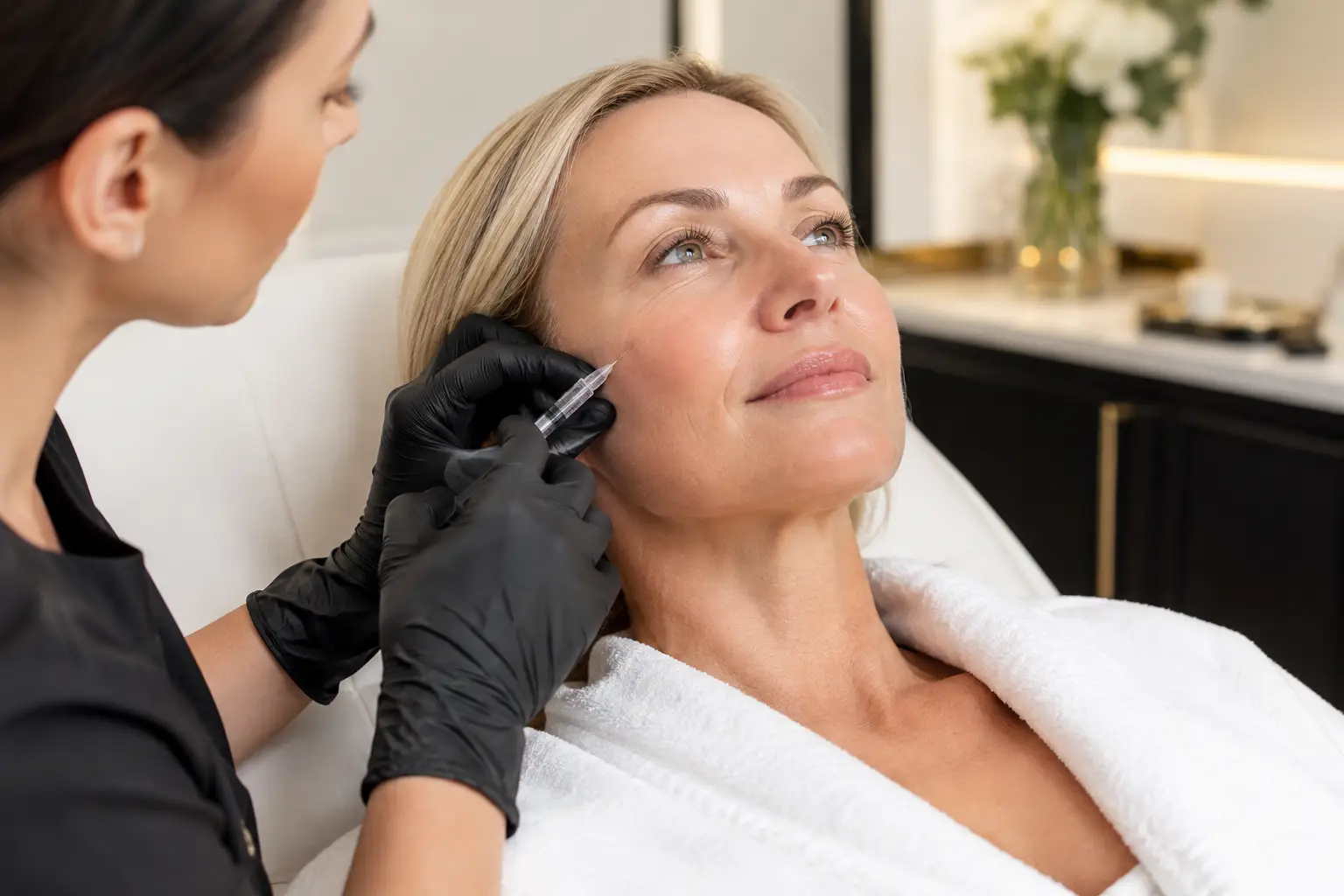
Wrinkle-relaxing injections can soften dynamic lines caused by repeated muscle movement, commonly across the forehead, between the brows and around the eyes. A natural result does not have to mean a completely frozen appearance. Dose, placement and your individual muscle strength all affect how much movement remains.
For clients who value expression, a lighter approach may be appropriate. Others may prefer a smoother finish. Neither is universally right, but the desired level of movement should be discussed clearly before treatment.
Dermal filler
Dermal filler can restore or refine structure in areas such as the cheeks, chin, jawline and lips. When thoughtfully placed, it may support proportions rather than draw attention to itself. For example, a small amount of chin enhancement can improve side-profile balance, while carefully placed cheek filler may reduce the appearance of flattening or tiredness without creating an overfilled look.
More product does not automatically create a better result. Filler is not suitable for every concern, and treating an area repeatedly without reassessment can compromise a natural appearance. Product selection, injection depth, facial assessment and a willingness to say no are all part of safe practice.
Skin boosters, Profhilo and polynucleotides
Sometimes the skin needs attention before, or instead of, adding volume. Skin boosters are designed to support hydration and improve the look of skin quality, while Profhilo is often chosen by clients seeking improved hydration, elasticity and a healthy-looking glow. Polynucleotides may be considered as part of a personalised skin rejuvenation plan, particularly where the focus is on skin quality and repair processes.
These treatments do not replace filler, and filler does not replace a skin treatment. Their purposes are different. A consultation can help establish whether your priority is hydration, texture, laxity, facial support or a combination of these concerns.
Microneedling and dermaplaning
For concerns such as dullness, uneven texture and a less polished skin surface, treatments such as microneedling and dermaplaning may have a valuable role. They can be especially helpful for clients who want to begin with skin-focused care or complement injectable treatment with an improved complexion.
Results are usually best when professional treatment is supported by sensible home skincare, daily SPF use and realistic expectations. No aesthetic procedure can remove every sign of ageing, nor should it need to.
The details that protect a natural result
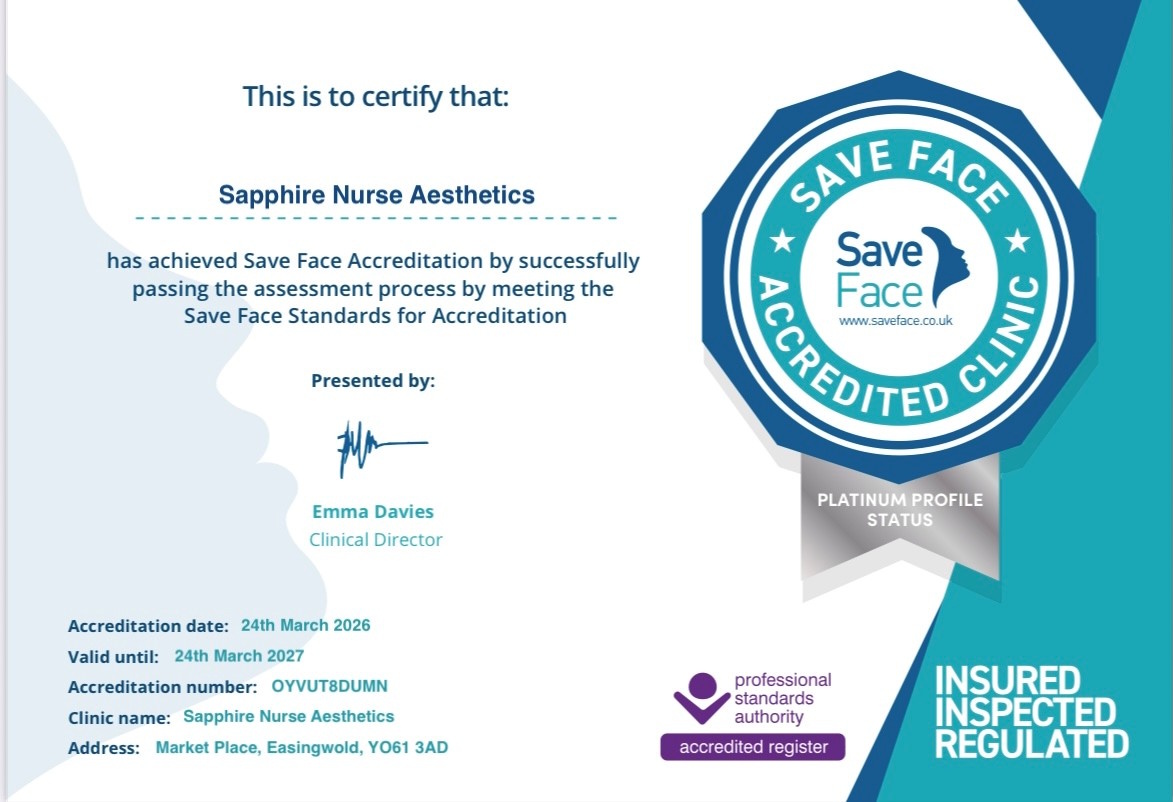
The most convincing outcomes are often shaped by decisions that clients never see. Consultation, anatomy knowledge, product choice, injection technique and review appointments all matter. At Sapphire Nurse Aesthetics, this clinical framework sits behind every personalised recommendation.
When choosing a practitioner, look beyond before-and-after photographs. Images can be useful, but they do not show how a face moves, how long results lasted, whether the client was suitable for treatment or what happened if they needed support afterwards. Ask about qualifications, prescribing arrangements, hygiene standards, complication management and the opportunity for follow-up.
Four signs of a responsible aesthetic plan are worth looking for:
- Your concerns are heard without pressure to book a particular treatment.
- Risks, limitations and expected downtime are explained in clear language.
- The plan is based on your facial anatomy and medical suitability, not a trend.
- You know how to contact the clinic if you have a concern after treatment.
Safety is not separate from beautiful results. It is the foundation of them. Injectable treatments carry risks, even when they are performed carefully, so they should always be delivered by an appropriately trained and insured practitioner who can assess suitability and respond appropriately if needed.
Why less can often achieve more
Facial ageing is not a single issue to be corrected. It is a gradual change in skin, fat pads, bone structure, muscle activity and tissue support. Treating one feature heavily while ignoring the wider face can make a result look less balanced, even if the individual treatment has been technically performed well.
Small, strategic adjustments often work best. Softening a strong frown, improving skin hydration and restoring modest mid-face support may create more overall freshness than pursuing a dramatic change in one area. Equally, some clients will be happiest with one carefully chosen treatment and no further intervention.
Your preferences matter here. Some clients want noticeable definition, while others want friends to say they look well without identifying why. Being open about the result you would feel comfortable with helps your practitioner tailor dose, placement and the pace of treatment.
Give results time to settle
Aesthetic treatments are not always judged on the day of your appointment. Swelling, bruising and temporary asymmetry can occur, particularly after injectable procedures. Your practitioner should explain what is normal for your treatment, when you can expect to see the result settle and when to seek advice.
Avoid rushing into adjustments before the recommended review point. The face needs time to respond, and a measured approach protects both the result and your confidence in it. Taking photographs in consistent lighting before treatment and at review can also provide a more honest comparison than a quick glance in the mirror.
The most successful aesthetic care is not about chasing someone else’s face or keeping up with a passing trend. It is about feeling informed, safe and comfortable with each decision, so that every subtle improvement still feels entirely your own.
Enquire Here




Get 10% OFF
By sharing your email, you agree to receive Sapphire marketing emails. We may suggest products based on your profile, following our Privacy Policy. Opt out anytime. See our Terms & Privacy for more on data processing and your privacy rights.
Discount applied on final payment in clinic