23rd October 2026
What a Nurse Aesthetics Course Should Teach
A well-chosen nurse aesthetics course does more than introduce a treatment technique. It shapes how a practitioner assesses a face, manages expectations, recognises risk and knows when the safest decision is to advise against treatment. For healthcare professionals entering medical aesthetics, that judgement matters just as much as practical dexterity.
For clients, the same standards should be visible in the treatment room. The calm, considered consultation that makes someone feel heard is rarely separate from a practitioner’s training. It is the clinical foundation behind natural-looking, individualised care.
A nurse aesthetics course is about judgement, not just technique
Medical aesthetics is often seen through the finished result: a refreshed appearance, improved skin quality or subtle facial balance. Yet responsible practice starts much earlier. Before a needle, cannula or skin treatment is considered, a practitioner needs to take an appropriate history, understand the client’s goals, assess suitability and explain realistic options.
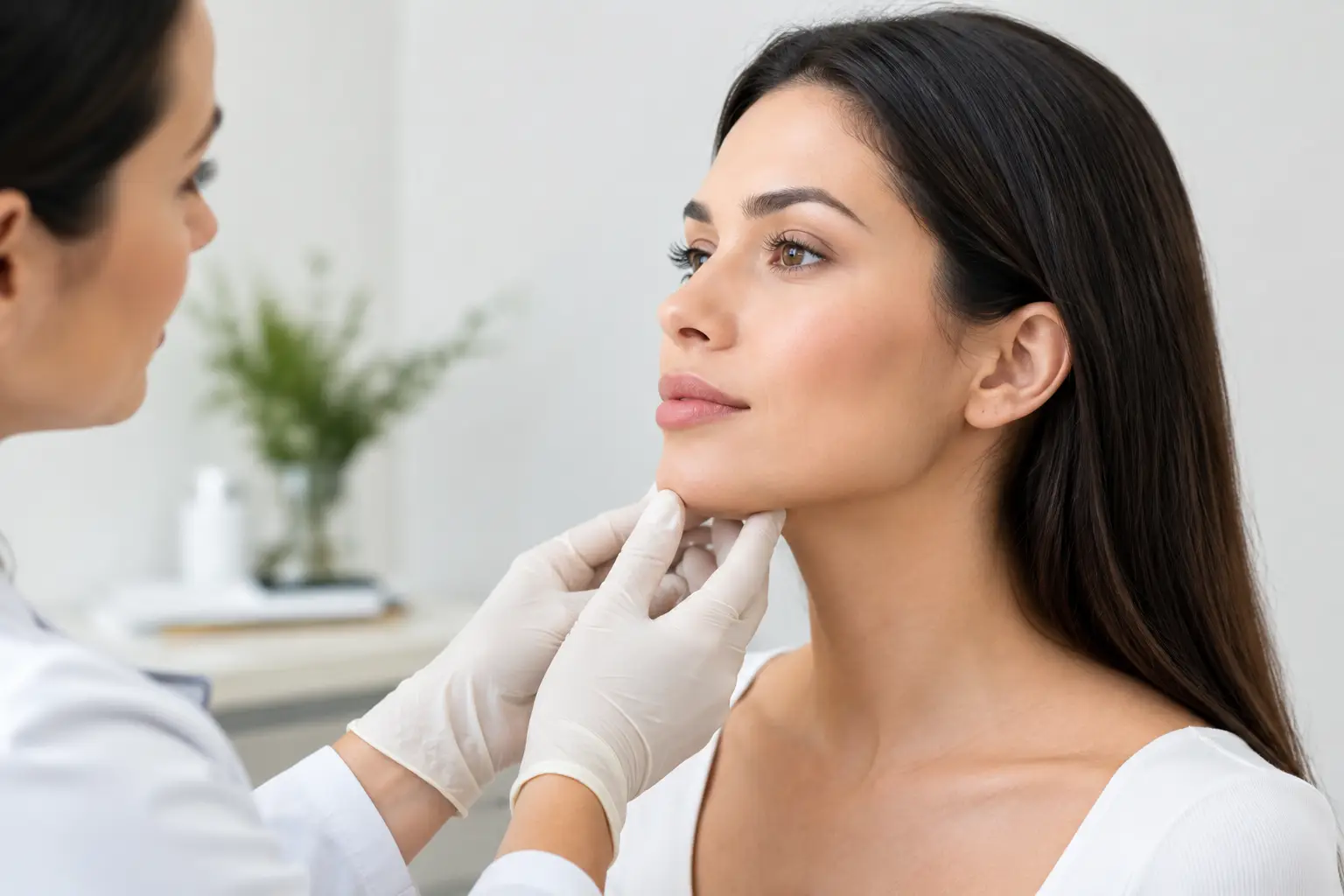
A quality nurse aesthetics course should therefore teach consultation as a clinical skill. Students need to learn how to ask the right questions, identify relevant contraindications, gain informed consent and document decisions clearly. They should also become comfortable with a phrase that protects both client and practitioner: “This may not be the right treatment for you today.”
That is particularly important when requests are driven by a trend, a heavily filtered image or a desire to replicate another person’s result. Facial anatomy, skin quality, age, lifestyle and aesthetic preference vary widely. Good practice is not about delivering the same look repeatedly. It is about recommending an approach that is proportionate, appropriate and aligned with the individual in front of you.
The practical skills need a clinical framework
Hands-on experience is essential, but it has more value when it is taught alongside the reasons behind each decision. For injectable training, that includes facial anatomy, product knowledge, tissue planes, treatment planning and the recognition of complications. For skin-focused treatments, students should understand skin physiology, hygiene, treatment suitability, aftercare and when referral is needed.
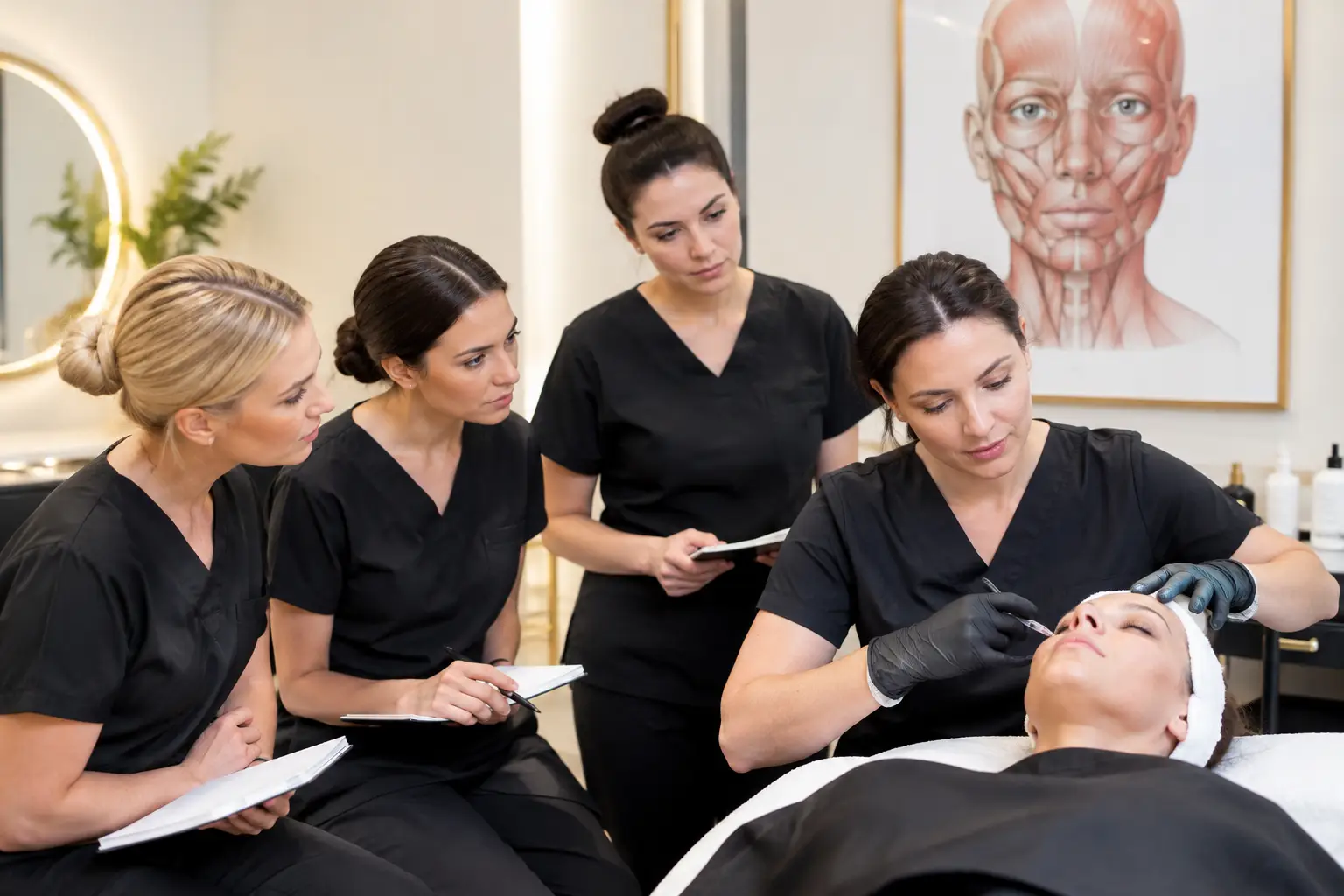
Live-model practice is particularly useful because it introduces the realities that textbooks cannot fully recreate: different facial structures, varied skin characteristics, nervous clients and the need to communicate clearly while working. However, observation alone is not enough. Learners need close supervision, constructive feedback and time to repeat techniques carefully.
Small-group aesthetics training gives trainers the opportunity to correct hand position, discuss a proposed plan and challenge assumptions before they become habits. For a beginner, this can make the difference between simply completing a course and developing the confidence to practise responsibly.
What to look for in nurse aesthetics training
For nurses, doctors, dentists, pharmacists, paramedics and other eligible healthcare professionals, course choice should be based on more than a certificate or a convenient date. CPD accreditation is a useful indicator of educational structure, but it should sit alongside meaningful practical teaching, experienced medical trainers and support after the training day.
Ask how many learners will be taught at one time, how much supervised model practice is included and whether the course covers complications management. It is also worth asking what happens after certification. Aesthetic practice develops through continued reflection, case discussion and careful progression, not through a single intensive day.
At Sapphire Nurse Aesthetics & Training, courses are delivered in small groups of one or two learners, allowing for close guidance during practical work with live models. Ongoing mentorship, supervision clinics and lifetime student support reflect a straightforward principle: practitioners should not feel left alone once they begin applying new skills.
Training should also match a practitioner’s current experience. Foundation anti-wrinkle and dermal filler training may be the appropriate starting point for an eligible clinician new to aesthetics. As confidence and clinical exposure grow, focused education in areas such as lip enhancement, jaw and chin assessment, cannula techniques, skin boosters, polynucleotides, Sculptra, microneedling or complications management can support a measured progression.
There is no advantage in rushing through advanced treatments before the underlying knowledge is secure. The most sustainable careers in aesthetics are built by respecting the learning curve, maintaining professional boundaries and recognising when additional supervision is sensible.
Local training, wider professional standards
For clinicians looking for aesthetics training in Yorkshire, travelling to a course should feel worthwhile because of the standard of teaching, not simply because it is nearby. Aesthetics training in York and the surrounding area can offer the benefit of accessible follow-up support, while welcoming professionals from Leeds, Harrogate, Thirsk and further afield.
Whether a practitioner is searching for dermal filler courses in Yorkshire or lip filler training in York, the key question remains the same: will this course help me make sound clinical decisions after I leave? The answer depends on the quality of practical supervision, the transparency of the curriculum and the availability of ongoing support.
What good training looks like from the client chair
Clients do not need to know every detail of a practitioner’s education to benefit from it, but they should notice its effects. A nurse-led medical aesthetics clinic should feel unhurried, professional and personal. Consultation should not be treated as a formality before a pre-decided treatment. It is the point at which a suitable plan is developed - or a decision is made to wait, choose a different option or not proceed.
At a medical aesthetics clinic in Easingwold, clients may seek support for a range of concerns, from facial lines and loss of volume to dehydrated skin, textural change or a desire for a more rested appearance. The most appropriate response is not always an injectable treatment. Microneedling, dermaplaning, skin boosters, polynucleotides or a collagen-stimulating treatment may be considered depending on the person’s skin, aims and suitability.
The best plan is often gradual. Someone considering lip enhancement, for example, may benefit from a conservative approach that respects their existing lip shape and facial proportions. A client concerned about overall skin quality may be better served by a course of skin-focused treatment rather than expecting one appointment to address every concern.
Natural-looking results begin with an honest consultation
“Natural-looking” has become a familiar phrase in aesthetics, but it should mean more than a marketing promise. It means listening carefully, avoiding over-treatment and recognising that a successful result looks different for every person. Some clients want a very subtle refinement; others have more defined but still balanced goals. Neither approach should be assumed.
A thorough consultation considers medical history, previous treatments, lifestyle, budget and the amount of downtime a client can reasonably accommodate. It should also include clear discussion of possible side effects, aftercare and the fact that outcomes can vary. No ethical practitioner can guarantee a particular result.
For treatments involving prescription-only medicines, an appropriate consultation and prescribing process are essential. In a nurse-led setting, the ability to assess patients within a proper clinical framework is fundamental to safe care. Laura Wade is an NMC-registered nurse and independent nurse prescriber with more than a decade of medical aesthetics experience, bringing that clinical perspective to every treatment discussion.
Choosing care and training with confidence
The link between excellent training and thoughtful patient care is simple: both require practitioners to slow down, assess properly and put safety before pressure to treat. For professionals, that means choosing education that develops judgement as well as technique. For clients, it means selecting a clinic where questions are welcomed and treatment plans are never one-size-fits-all.
Aesthetics can be a rewarding professional path and a positive personal choice when it is approached with care. Start with the conversation, look for clinical standards that are visible rather than merely claimed, and give considered decisions the time they deserve.
Enquire Here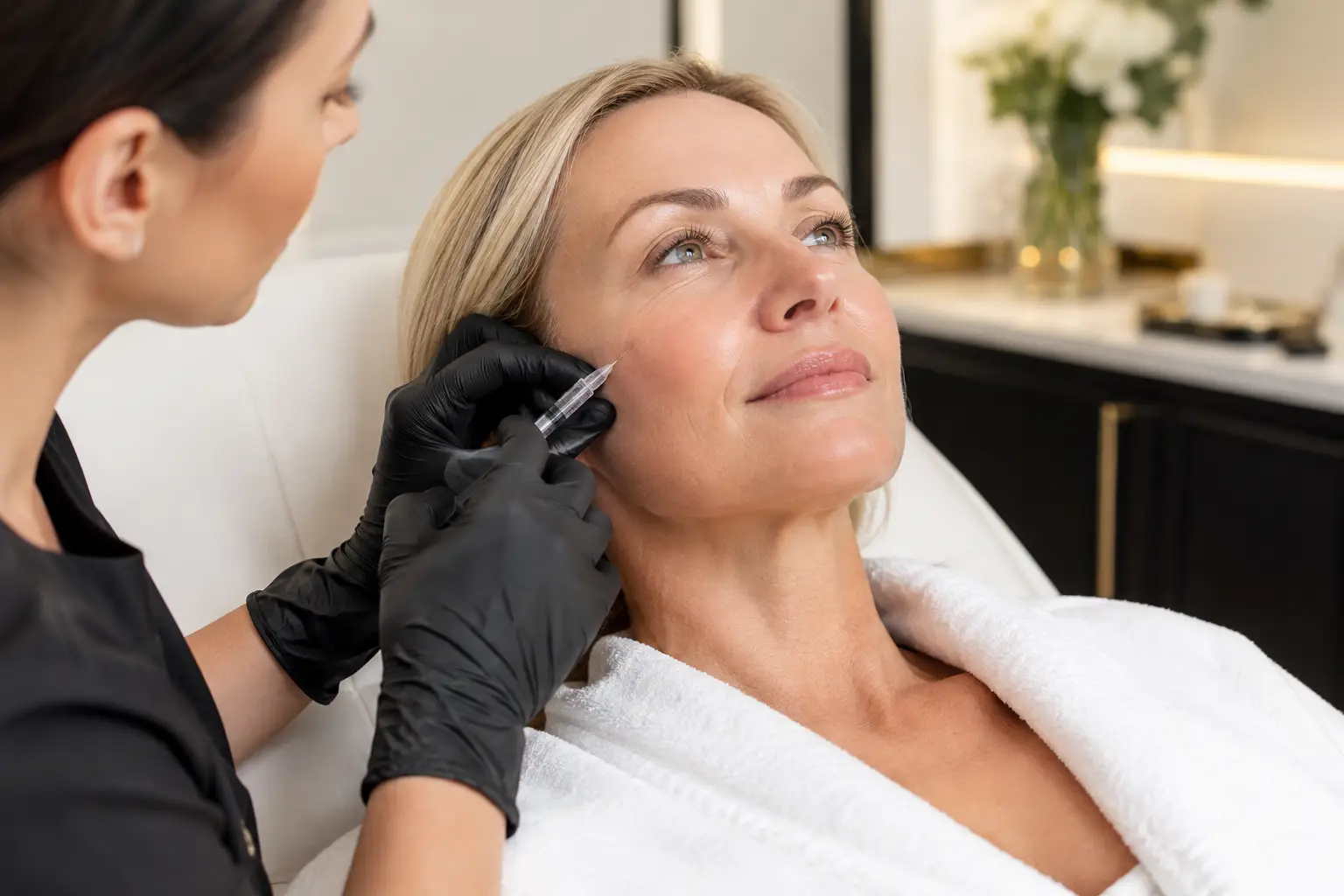




Get 10% OFF
By sharing your email, you agree to receive Sapphire marketing emails. We may suggest products based on your profile, following our Privacy Policy. Opt out anytime. See our Terms & Privacy for more on data processing and your privacy rights.
Discount applied on final payment in clinic